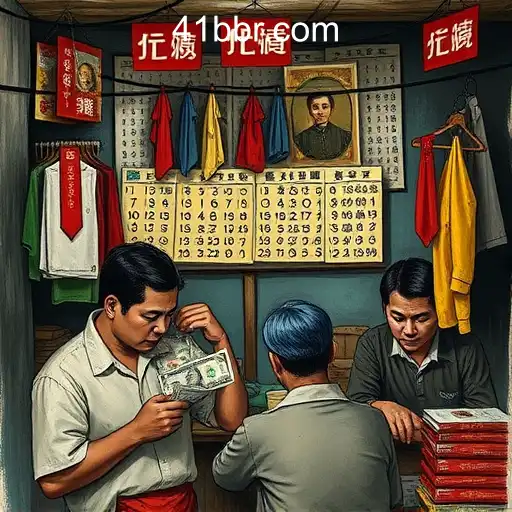
The Complex World of Jueteng: An Exploration
Jueteng, a number-based illegal lottery game, stands as one of the most entrenched forms of gambling in the Philippines. Despite numerous campaigns aimed at eradicating it, jueteng continues to thrive in many parts of the country. This game, steeped in both tradition and controversy, offers a window into the socioeconomic landscape of Filipino society.
The Historical Roots of Jueteng
The origins of jueteng can be traced back to the Spanish colonial period when the Chinese brought it to the Philippines. The word jueteng derives from the Hokkien words for "flower" and "bet," encapsulating the essence of wagering. Over the centuries, jueteng has woven itself into the societal fabric, becoming a regular pastime for many Filipinos.
Despite its illegal status, jueteng's endurance can largely be attributed to its deep-rooted historical presence. Throughout history, efforts to curb its practice have been met with resistance and have often floundered due to its cultural acceptance and economic contributions to impoverished communities.
How Jueteng Operates
The mechanics of jueteng are relatively simple, which accounts for its widespread appeal. Participants pick a set of numbers and place their bets with a local “cobrador” (collector). These bets are then conveyed to a “kabos” (controller) who oversees the collection and distribution. A daily draw determines the winning numbers, with winners receiving payouts based on their wagered amounts.
Unlike organized national lotteries, jueteng offers a more personalized touch, as its operations are localized. This contributes to its appeal, with many viewing it as a community-based activity rather than a larger-scale racket.
The Socioeconomic Impact
Jueteng exists within a complex web of social and economic factors. For many low-income Filipinos, it provides a glimmer of hope for financial betterment. The potential for immediate, albeit small, financial gain is compelling in communities where economic opportunities are scarce.
However, this low-level gambling can sometimes exacerbate poverty, with participants betting amounts they cannot afford to lose. The allure of jueteng lies in its promise of quick money, yet it often traps its players in a cycle of debt and dependency.
Link to Corruption and Politics
Jueteng's existence is not merely a matter of chance; it thrives due to complicated networks tied to local politics and law enforcement. The revenue generated from jueteng operations is often used to finance electoral campaigns, securing political patronage. This connection creates incentives for politicians to turn a blind eye or even protect jueteng operations.
Moreover, corruption within law enforcement agencies often hinders the implementation of anti-jueteng campaigns. Some officials are known to accept bribes in exchange for allowing jueteng activities to continue unimpeded.
Efforts to Combat Jueteng
Throughout the years, various administrations have pledged to eradicate jueteng, yet success has been elusive. Strategies have ranged from direct police action to the implementation of alternative legal gambling options, such as the Philippine Charity Sweepstakes Office's (PCSO) Small Town Lottery (STL). This alternative aims to mimic jueteng's structure while generating legal revenue for government programs.
Despite these initiatives, the personal and cultural ties to jueteng have rendered such measures only partially effective. Communities either revert back to jueteng or find ways to incorporate STL as a complementary activity rather than a replacement.
The Role of Technology and Modern Gambling
The internet age has introduced new dimensions to gambling, with online casinos capturing the attention of many potential players. In recent years, platforms like "41BB online cassino Brasil #1" have emerged, offering a global audience a wide array of betting options. The contrast between localized jueteng and international online casinos highlights the evolving nature of gambling habits.
While these digital platforms have a legitimate standing in their respective jurisdictions, they further complicate the landscape for gambling regulators in countries like the Philippines. They signify the global shift in interest to more versatile and diverse gaming experiences, challenging traditional forms like jueteng to innovate or risk obsolescence.
Conclusion
Understanding jueteng requires delving into social, economic, and historical paradigms that shape its continued existence. As societal conditions evolve, so too might the solutions directed at curbing its practice. The integration of new technologies like online gambling might offer insights or alternative pathways. However, jueteng remains a resilient fixture, a testament to its rootedness in Filipino life.